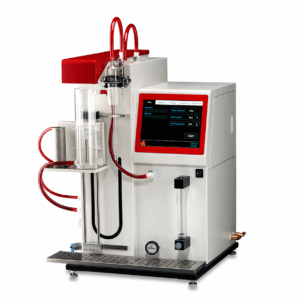
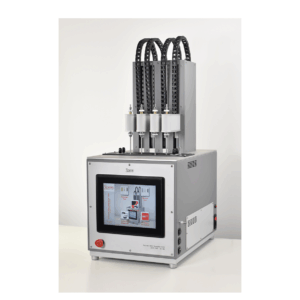
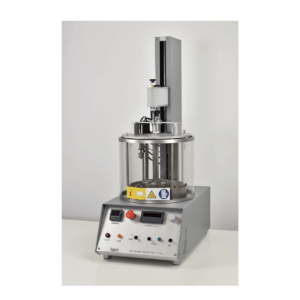
Apparatus for RPVOT – TFOUT turbine oils
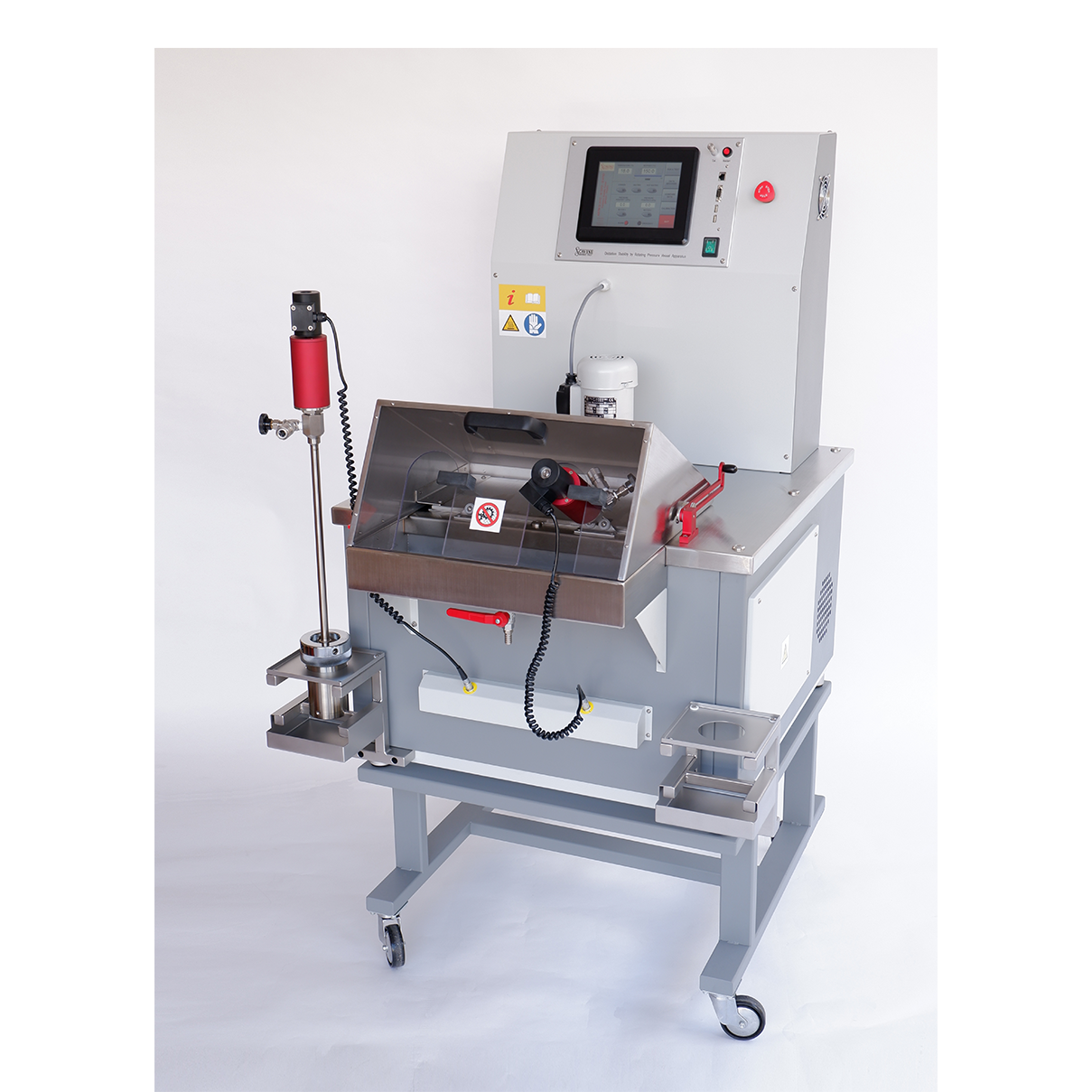
The RPVOT/TFOUT apparatus is an advanced, floor-mounted system designed for determining the oxidation stability of various oils, including inhibited mineral insulating oils, steam turbine oils (RPVOT), and gasoline automotive engine oils (TFOUT). Adhering to ASTM D 2272 and D 4742 standards, this twin-unit device features pressure transducers, quick connectors, and a touch-screen interface that plots pressure and temperature data, and manages test reports. The stainless steel tank has a 70-liter capacity, with independent motors and electronic pressure transducers for precise control. Key features include a microprocessor-controlled thermoregulator with PID action, USB and Ethernet ports for connectivity, and safety devices against overheating and low levels. The system supports 220 V/50 Hz connections with a 4000 W power consumption.
What can we do for you?
If you want more specific information regarding this product, please contact our Sales team.
We are happy to assist you.
Features & Benefits
- Dual-unit Automatic Equipment: Floor-mounted, ASTM D 2272 – D 4742 compliant. This ensures precise oxidation stability testing of turbine oils, inhibited mineral insulating oils, and gasoline automotive engine oils.
- Pressure Transducers: Provides accurate pressure measurements for reliable test results.
- Touch-screen Interface: 8.4” touch-screen interface for controlling the instrument, entering data, and plotting pressure and temperature data. Simplifies operation with a user-friendly interface and graphical data representation.
- Data Management: Enter, save, retrieve, and print test reports with Ethernet and USB ports for connecting to LIMS or printers.
- Stainless Steel Construction: Benchtop case with a stainless steel tank (70 liters capacity) and top cover.
- Independent Motor Control: Provides precise control and enhances the accuracy of the tests.
- Microprocessor Controlled Thermoregulator: PID action with digital display (0.1 °C accuracy), Pt100 RTD probe, and working range from ambient to 170°C. Maintains consistent temperature for accurate testing.
- Versatile Connectivity: Offers multiple connectivity options for data transfer and device integration.
- Power Specifications: Suitable for standard power requirements, ensuring compatibility and efficiency.